
FIFA U-17 World Cup 2026 Group Tables: Groups H–L, Favourites and Team Achievements

The FIFA U-17 World Cup Qatar 2026 features 48 nations competing for the youth football crown, with the group stage providing the first major test for every participating team. Following our breakdown of Groups A–G, attention now turns to Groups H–L, featuring European powerhouses, South American giants, African representatives and debutants hoping to make history.
The tournament's expanded format means the top two teams from each group, alongside the eight best third-placed teams, advance to the Round of 32. Every group match could prove decisive, particularly for nations competing against experienced former champions.
Below are the Group H–L standings, the strongest teams expected to lead each section, and the highest achievements of every country in FIFA U-17 World Cup history.
The tables are pre-match standings, with all teams starting on zero points.
Group H – Spain, China PR, Fiji and Morocco

Spain are expected to be the strongest team in Group H, with a remarkable history at the FIFA U-17 World Cup. La Roja have finished runners-up four times, in 1991, 2003, 2007 and 2017, but have never lifted the trophy. China PR are also a competitive side, having reached the quarter-finals in 1985 and 2005, their best achievements. Morocco will be looking to continue their recent progress after reaching the quarter-finals in both 2023 and 2025, establishing themselves as one of Africa's strongest youth teams. Fiji, meanwhile, made their debut in 2025 and their best achievement remains the group stage. Spain will be favourites, but Morocco's recent tournament experience and China's history make this group a competitive challenge.
Group I – Brazil, Republic of Ireland, Tanzania and Costa Rica

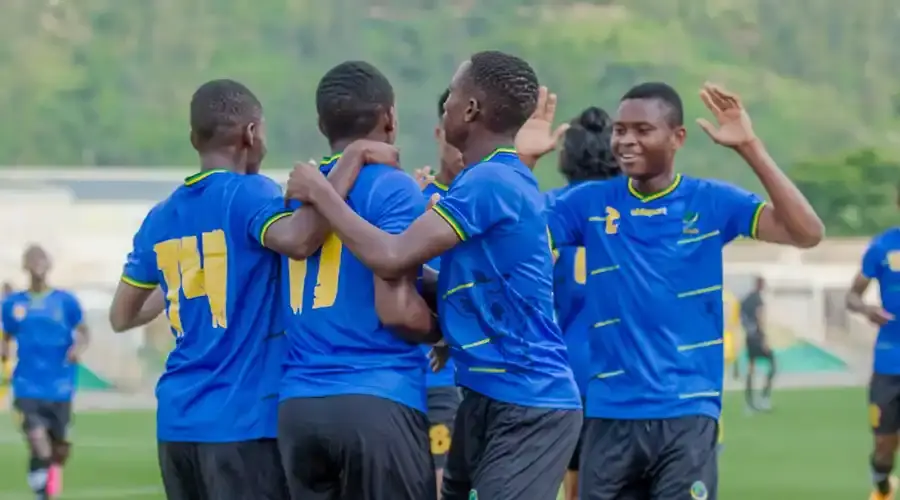
Brazil are the clear favourites in Group I and one of the leading contenders to win the entire tournament. The Seleção have won the FIFA U-17 World Cup four times, in 1997, 1999, 2003 and 2019, making them one of the most successful nations in the competition's history. Republic of Ireland are returning after their debut in 2025, when they reached the Round of 16, their best achievement. Tanzania are making their first-ever appearance after an impressive run to the final of the 2026 CAF U-17 Africa Cup of Nations. Costa Rica have a strong record, having reached the quarter-finals four times, in 2001, 2003, 2005 and 2015. Brazil will be expected to dominate, but Costa Rica and Ireland have enough experience to challenge for the remaining qualification places. Tanzania will also be hoping to make a memorable debut.
Group J – Dominican Republic, Montenegro, Chile and Algeria

Chile are arguably the strongest team in Group J based on tournament history, having finished third at the FIFA U-17 World Cup in 1993. The South Americans have previous experience competing against some of the world's best youth teams and will be targeting another deep run. Algeria have participated once before, in 2009, when they were eliminated in the group stage. Montenegro are making their debut at the tournament, while the Dominican Republic will also be appearing for the first time after replacing the United States, who withdrew from the competition. The Dominican Republic qualified as the highest-ranked non-qualified team from the Concacaf qualifiers. This group presents a major opportunity for the debutants to make history, but Chile's experience could prove decisive. Algeria will also be hoping to improve on their previous tournament performance and challenge for a knockout place.
Group K – Mexico, Romania, Cameroon and Venezuela

Mexico are expected to dominate Group K and arrive with one of the strongest historical records in the tournament. El Tri have won the FIFA U-17 World Cup twice, in 2005 and 2011, and will be aiming to add a third title to their collection. Venezuela's best achievement was reaching the Round of 16 in 2023, while Cameroon have appeared twice, in 2003 and 2019, but have never progressed beyond the group stage. Romania are debutants, making this their first appearance at the global youth tournament. Mexico's experience and pedigree make them favourites, but Venezuela will be dangerous and Cameroon will be hoping to finally break their group-stage barrier. Romania also have an opportunity to create history and make a strong impression on their debut.
Group L – Japan, Colombia, Serbia and Honduras

Japan are considered the strongest team in Group L after winning the 2026 AFC U-17 Asian Cup and demonstrating their quality across youth football. Their best FIFA U-17 World Cup achievement is reaching the quarter-finals, which they accomplished in 1993, 2011 and 2025. Colombia are another serious contender, having finished fourth in 2003 and 2009. Honduras have also enjoyed an impressive history, reaching the quarter-finals in 2013, their best result. Serbia are making their debut at the tournament and will be looking to establish themselves against experienced opponents. Japan and Colombia look the strongest on paper, but Honduras' history of progressing beyond the group stage means they cannot be underestimated. Serbia will be hoping their debut campaign produces a surprise and a place in the knockout rounds.
Conclusion: Which teams will dominate Groups H–L?
The remaining groups of the FIFA U-17 World Cup Qatar 2026 feature some of the tournament's most exciting teams and emerging talents. Spain, Brazil, Mexico and Japan stand out as favourites based on their historical achievements and recent performances, while Chile, Morocco, Colombia and Costa Rica could also make strong challenges.
African representatives Morocco, Tanzania and Cameroon will be particularly interesting to follow, with Tanzania making their historic debut and Morocco looking to build on consecutive quarter-final appearances.
With 32 teams progressing to the knockout stages, the group competition remains wide open. The expanded format gives nations an additional opportunity to qualify, but every team will need to deliver consistent performances to advance.
Qatar 2026 promises another exciting showcase of youth football, where future stars could emerge and established nations will battle for global supremacy.


Comments